


I still remember standing in a showroom two years ago, completely frozen. Thirty slabs of stone stared back at me. The salesperson kept saying, “Quartz is the most popular.” But popular for whom? For a family with three kids who cook every single night? For someone renting out the property? For a baker who needs a cool surface at 6 a.m.? Nobody told me any of that.
That’s the problem with most countertop guides. They give you a list. They describe how marble looks. They mention it requires sealing. And then they leave you exactly where you started, confused, slightly overwhelmed, and worried you’ll spend $8,000 on the wrong material.
This article is different. I’ve broken down all 15 of the best kitchen countertop ideas, marble, quartz, granite, quartzite, sintered stone, and more, by real cost, real durability, and who each one is actually right for. By the time you finish reading, you’ll know exactly which countertop fits your kitchen, your lifestyle, and your budget.
Kitchen countertops refer to the horizontal work surfaces installed over base cabinets in a kitchen. They vary by material, natural stone, engineered stone, wood, metal, or composite, each offering a distinct mix of durability, maintenance needs, and installed cost per square foot.
1. Quartz Countertops, The Everyday Workhorse
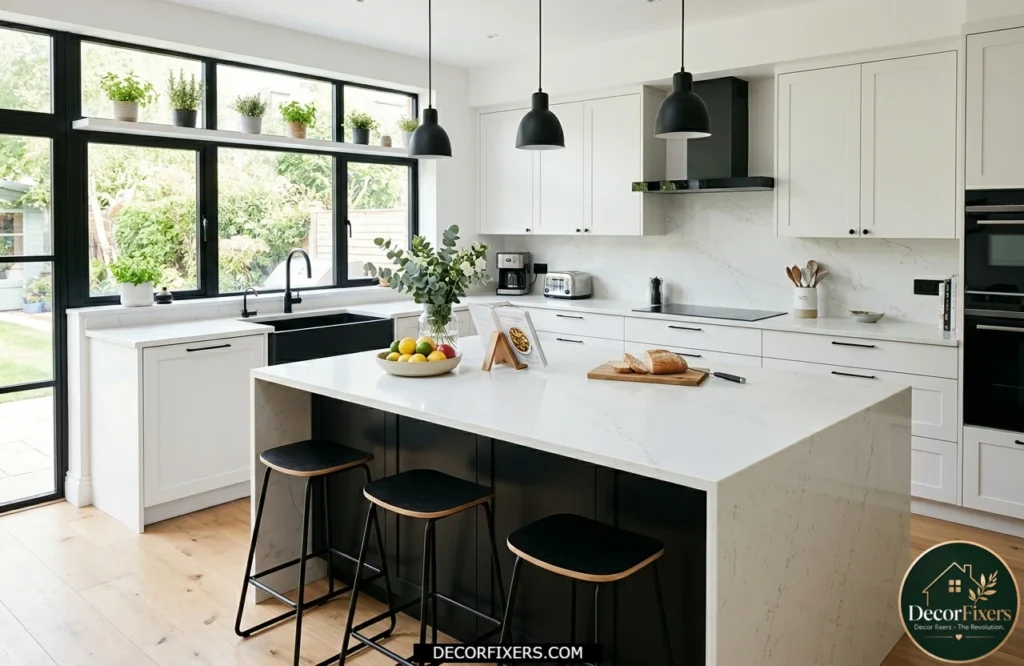
Quartz is engineered. It’s roughly 90% ground quartz crystals bound with resin, pigment, and sometimes recycled material. That manufacturing process gives it something no natural stone can promise: total consistency.
According to the National Kitchen and Bath Association, 60% of homeowners choose quartz for its combination of aesthetics and function. It doesn’t need sealing. It resists stains from coffee, wine, and tomato sauce. It comes in hundreds of colors, including patterns that convincingly mimic marble. If you’re redesigning the entire kitchen, these Budget Open Plan Kitchen Ideas can help you create a more spacious and functional layout that complements durable surfaces like quartz.
The one real weakness? Heat. Resin binders start to discolor above 300°F. Always use a trivet.
Top brands: Caesarstone (known for color range and warranty programs), Cambria (American-made, lifetime warranty, bold veining designs).
2. Marble Countertops, Timeless Luxury With Real Trade-offs
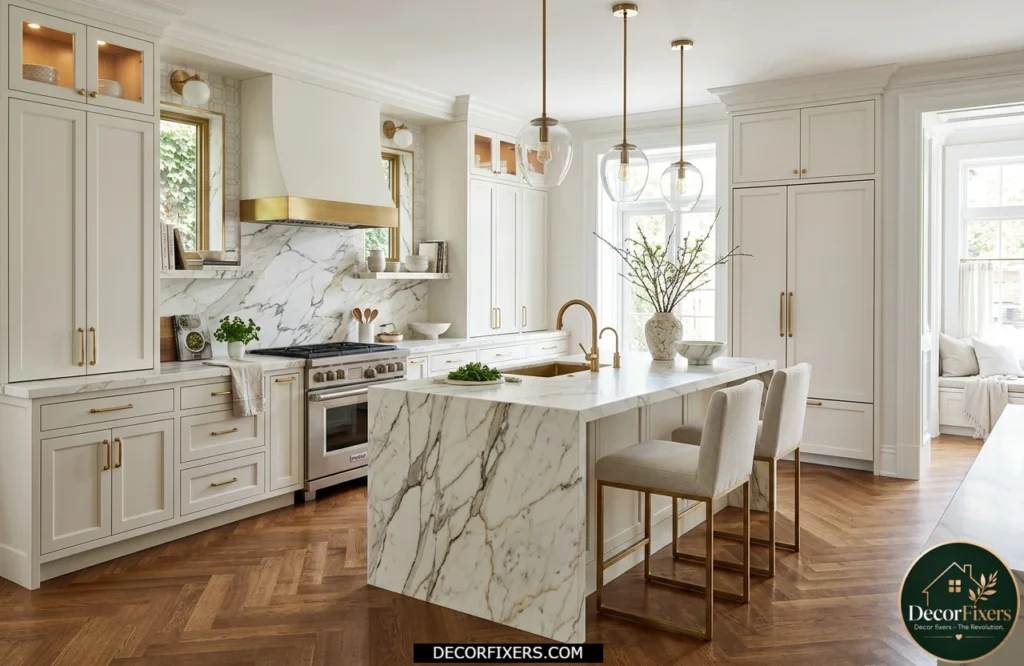
Marble is formed when limestone undergoes intense heat and pressure deep underground. That process creates the distinctive veining patterns that no two slabs ever repeat exactly. It’s why marble has appeared in architecture, sculpture, and kitchens for centuries.
It’s also why marble requires a different kind of owner. Marble is porous and soft relative to other stones. Acidic liquids, such as lemon juice and vinegar, can etch the surface even if you wipe them up quickly. Sealing helps, but it doesn’t make marble impervious. Monthly sealing is standard practice.
Cost starts at $75 per square foot installed. Premium book-matched slabs can exceed $200.
3. Granite Countertops, The Reliable Classic
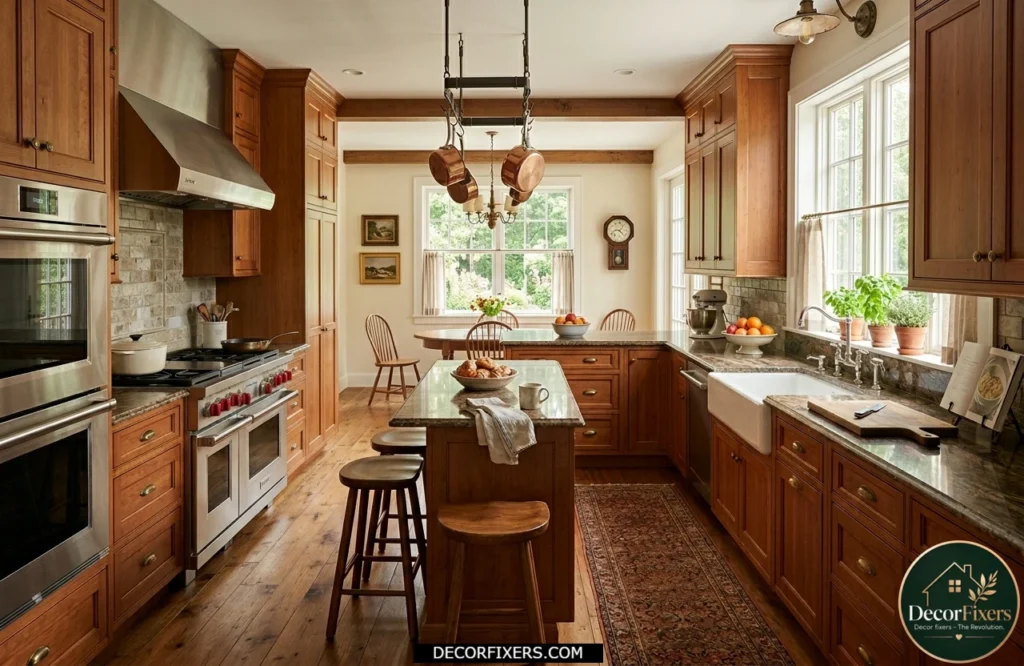
Granite was the gold standard for kitchen countertops throughout the 2000s and early 2010s. It’s still an excellent choice, though design trends have moved somewhat past it.
Granite is a natural igneous rock, formed when magma cools slowly deep underground. Each slab is genuinely unique, with mineral deposits creating color and pattern variation. It’s harder than marble, highly heat-resistant, and scratches are uncommon with normal kitchen use.
The main requirement: annual sealing. Without it, granite can absorb oils and liquids over time. One coat per year takes about 20 minutes, not a dealbreaker for most homeowners.
Installed cost ranges from $45 to $100 per square foot, making it one of the most accessible natural stone options.
While upgrading your work surfaces, it’s also worth improving storage efficiency with these Kitchen Cabinets Organizer Ideas to make the most of your kitchen’s existing footprint.
4. Quartzite Countertops, Natural Stone, Tougher Than Marble
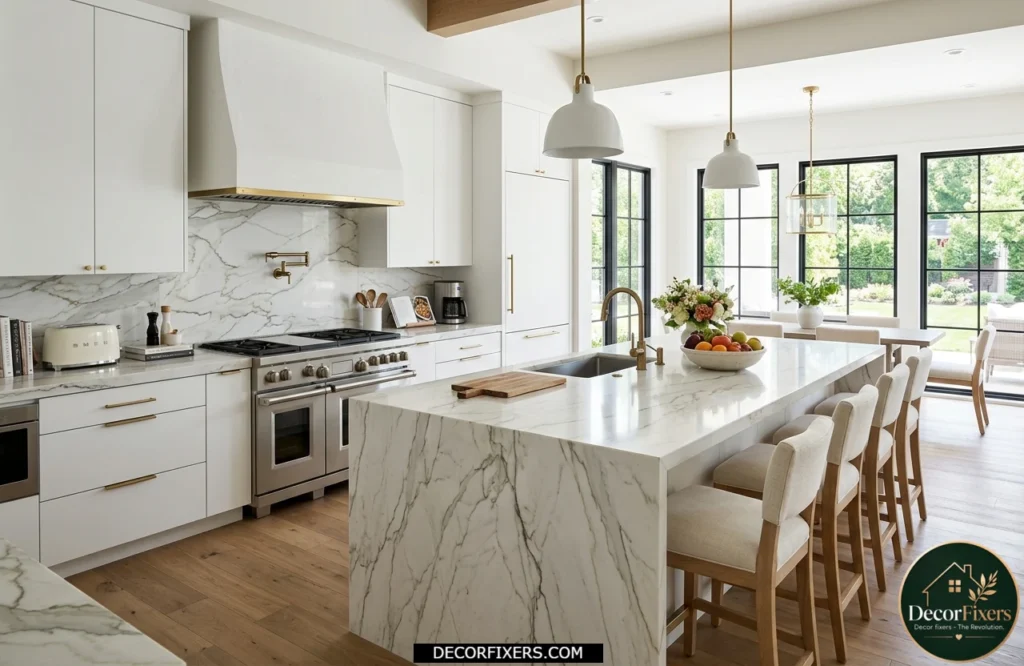
Quartzite is the material that trips people up most often. It is not the same as quartz. Quartz is engineered. Quartzite is a natural metamorphic rock, formed when sandstone is subjected to extreme heat and pressure, converting it into an ultra-hard stone.
Or maybe I should say it this way: if quartz and marble had a baby that was stronger than both and still looked like marble, it would be quartzite. It offers marble-like veining and beauty without marble’s acid sensitivity.
The catch is porosity. Quartzite still needs sealing, typically every one to two years, and higher-quality slabs can run $60–$130 installed. It’s pricier than granite but rewards you with exceptional longevity.
5. Dekton (Sintered Stone), For Kitchens That Mean Business
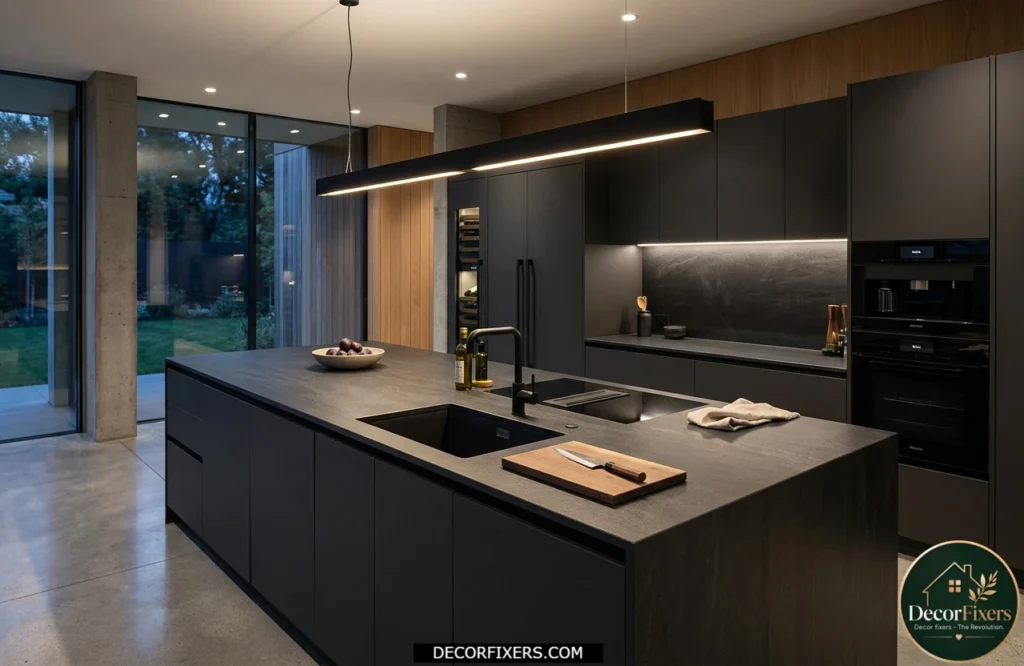
Dekton, made by Cosentino, is the countertop that most listicles ignore. It’s an ultra-compact sintered stone, made by fusing raw materials including glass, porcelain, and quartz under extreme heat and pressure in a process that mimics how natural stone forms underground, just faster.
The result is a surface with virtually no porosity, extreme scratch resistance, heat resistance that exceeds quartz by a wide margin, and UV stability for outdoor use. It does not need sealing. Ever.
It’s expensive. Installed costs run $90–$200 per square foot. Installation requires an expert because the material is brittle at its edges during fabrication. But once it’s in your kitchen, it’s close to indestructible.
6. Butcher Block Countertops, Warmth and Character
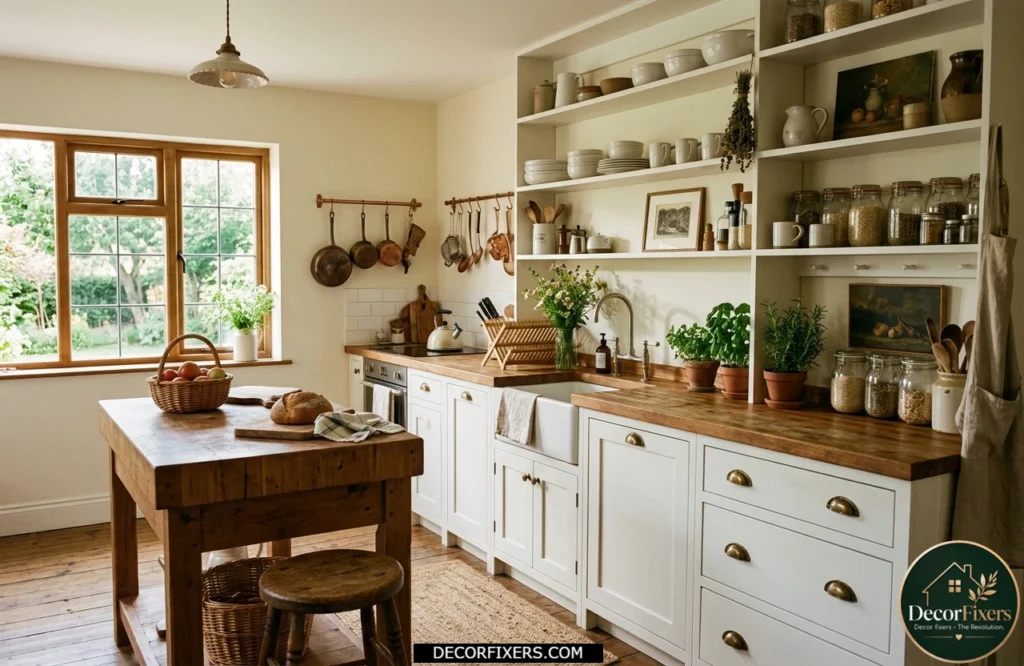
Butcher block countertops are strips of hardwood, typically maple, walnut, or oak, glued together under pressure to form a thick, dense work surface. They’ve been used in professional kitchens for generations, not as decoration, but as actual cutting surfaces.
That functional history is still valid. You can cut directly on a butcher block, though the surface will show knife marks over time (which many people consider part of the charm). They run $40–$100 installed, making them genuinely budget-friendly for a warm, natural look.
The routine: regular oiling with food-safe mineral oil, roughly once a month for the first year, then quarterly. Standing water is the enemy. Don’t let pools sit near the sink.
7. Soapstone Countertops, The Underrated Heat Survivor
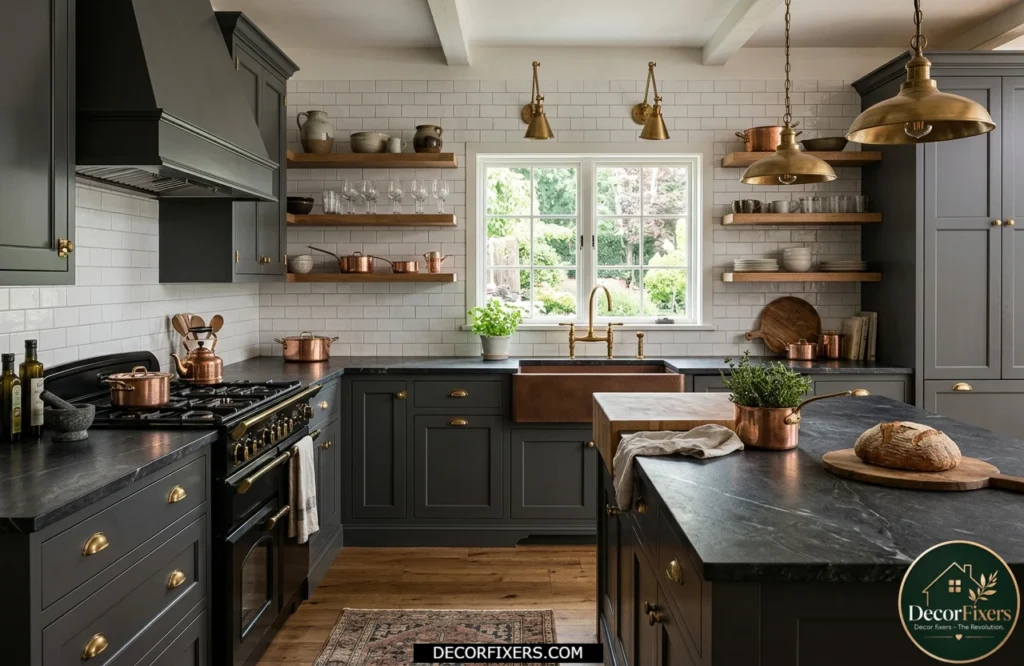
Soapstone doesn’t get enough attention. It’s a naturally occurring metamorphic rock composed primarily of talc, which gives it a distinctive soft, matte appearance, and its name.
What makes soapstone genuinely special is its acid and heat resistance. Unlike marble, it won’t etch when your lemon juice spills. Unlike quartz, you can set a hot pan directly on it. It’s been used in chemistry lab countertops and wood stoves for exactly these reasons.
Scratches do happen, but a light sanding and application of mineral oil makes them disappear. Installed cost: $70–$130 per square foot. Colors tend toward dark grays and blacks, a limited palette, and a bold presence.
8. Concrete Countertops, The Customizer’s Choice
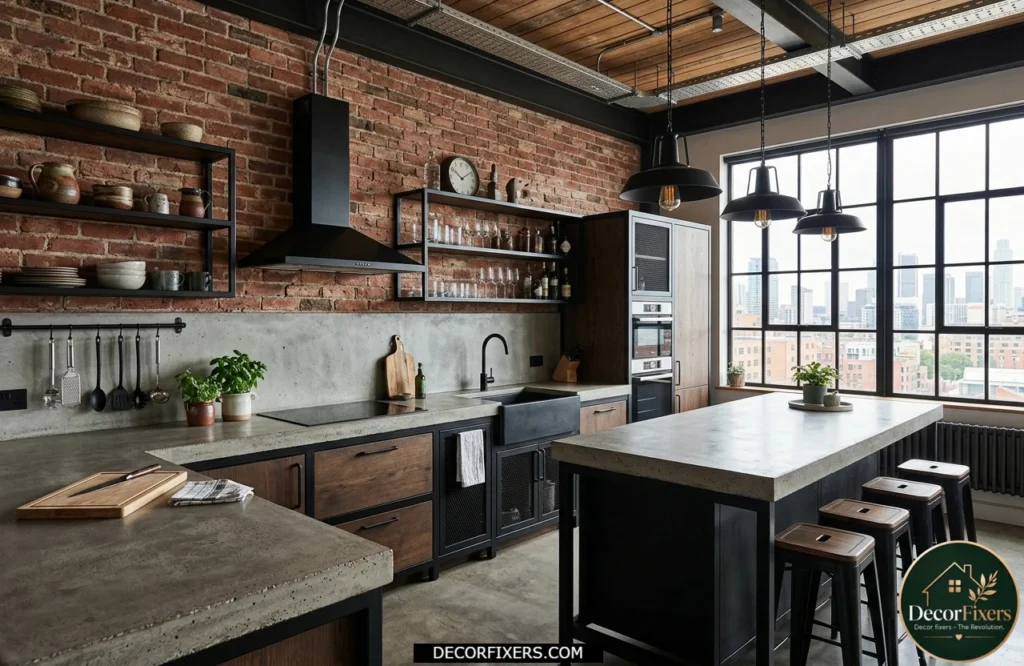
Concrete countertops can be tinted any color, embedded with stones or shells, formed into any shape, and cast with integrated sinks and drainboards. No other material offers that level of customization.
They’re poured in forms and cured on-site or in a fabrication shop, then sealed. The sealer is critical; concrete without it will absorb everything. Resealing annually keeps it protected.
Cracking is possible, particularly over time or with foundation movement. It’s not guaranteed, but it’s real. Installers typically leave intentional control joints to manage where cracking occurs, if it does. Installed cost: $65–$135 per square foot.
9. Porcelain Slab Countertops, The UV-Resistant Modern Option
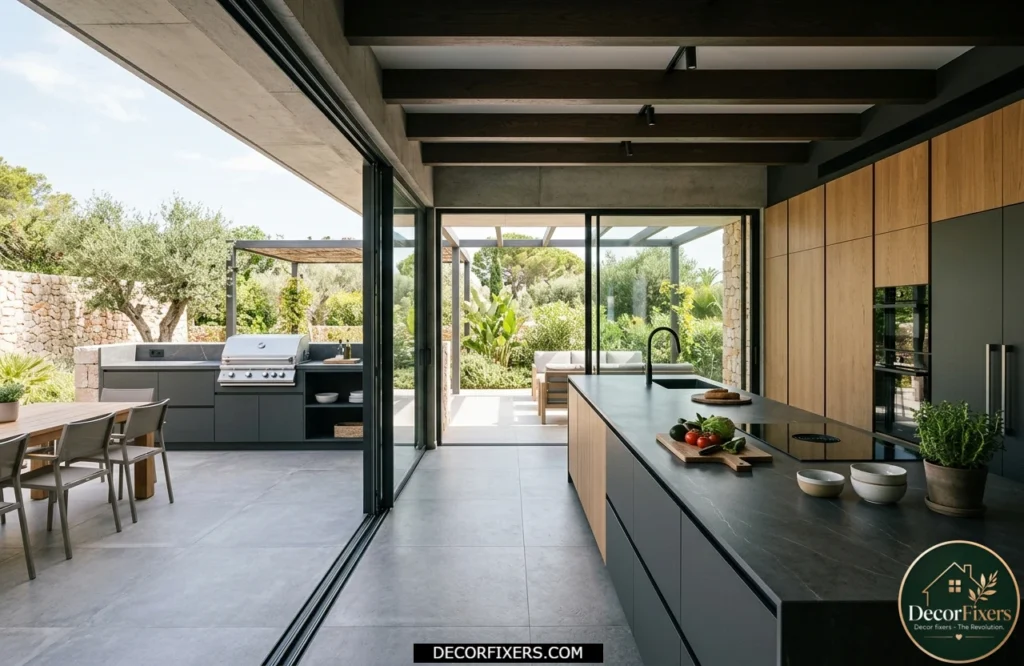
Porcelain slab countertops have surged in popularity in 2025, particularly for outdoor kitchens and open-concept spaces that flow outside. They’re fired at extremely high temperatures, making them dense, non-porous, and UV stable, meaning they won’t fade in direct sunlight.
In terms of maintenance, porcelain is among the easiest surfaces available. It doesn’t need sealing, resists stains, and wipes clean with basic household cleaners.
The vulnerability is edge chipping during fabrication. Porcelain slabs require experienced installers who know how to cut and finish the edges without cracking. Cost runs $60–$120 installed.
10. Laminate Countertops, Smarter Than Their Reputation
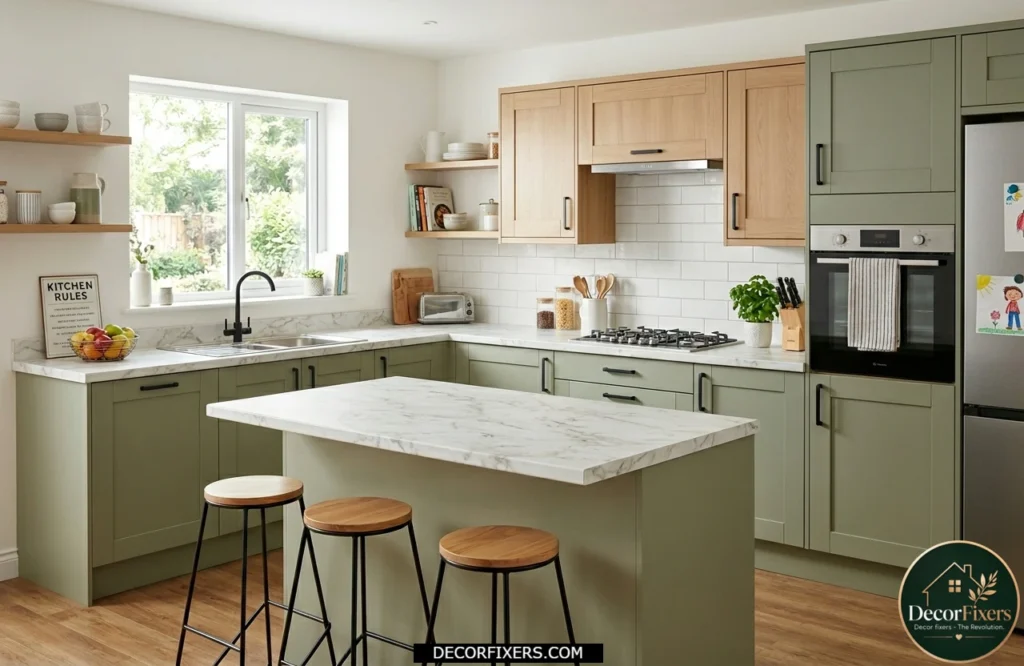
I’ll be honest: laminate gets dismissed too quickly. The new generation of laminate, think high-definition digital prints on thick substrates, can produce convincingly realistic marble and stone looks at a fraction of the cost.
Installed for $20–$50 per square foot, laminate is the most budget-friendly option on this list. It’s not heat-proof or scratch-proof, but for rental properties, starter homes, or low-traffic kitchens, it delivers strong visual value with almost zero maintenance.
Where it fails: the seams at edges and corners can lift over time if exposed to moisture. Keep the backsplash connection well-sealed.
11. Recycled Glass Countertops, For the Eco-Conscious Kitchen
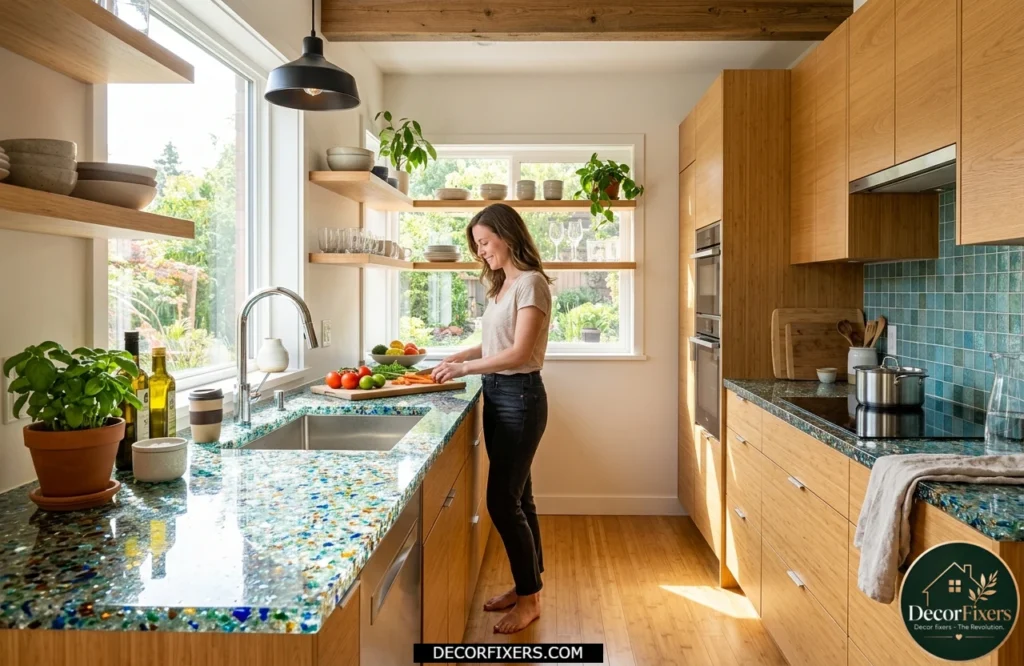
Recycled glass countertops are made from post-consumer glass, bottles, windows, and industrial glass embedded in cement or resin binders. Vetrazzo, a leading brand in this category, uses up to 85% recycled content.
A 2025 study found that recycled glass countertops can reduce carbon emissions by up to 80% compared to traditional materials. They’re genuinely one of the most sustainable options on this list.
Visually, they’re unlike anything else, vibrant, colorful, light-catching. Cost runs $50–$125 installed, placing them in the mid-range. The main variable is the binder: resin-based binders offer slightly easier maintenance than cement-based ones.
12. Solid Surface Countertops, The Seamless Performer
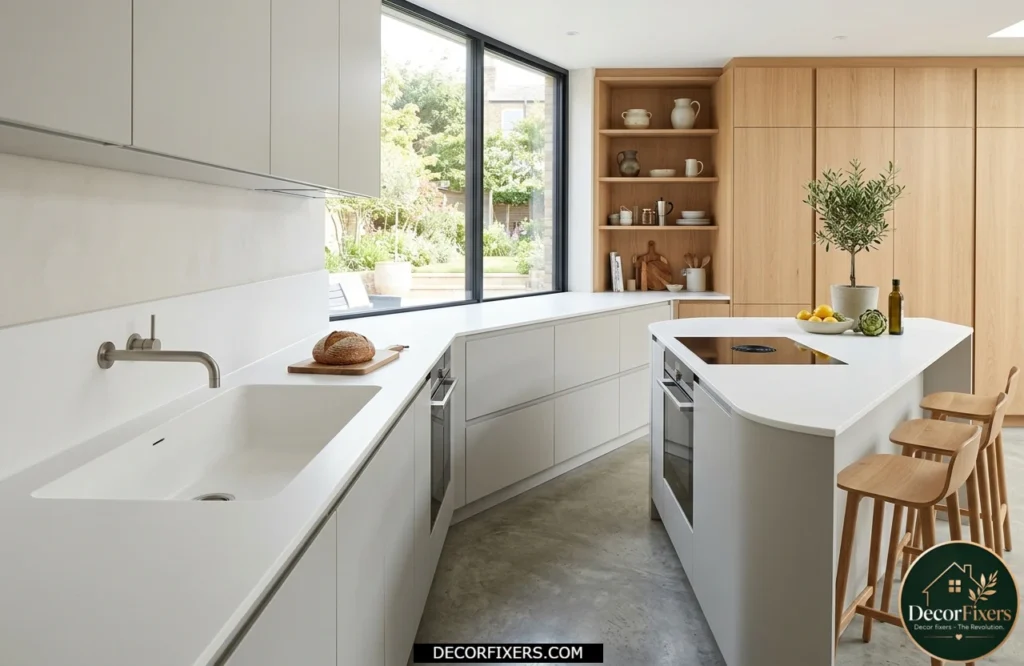
Solid surface is a man-made material; brands like Corian by DuPont are the most well-known, made from acrylic or polyester resins mixed with mineral fillers. The defining feature is that it can be thermoformed and joined with invisible seams.
Scratches and minor damage can be sanded out with fine-grit sandpaper, something no stone option allows. Installed cost: $45–$95 per square foot.
It’s not heat-proof; hot pots will damage it, and it lacks the premium look of natural stone. But for integrated sink installations, seamless runs around islands, or ADA-compliant kitchens that require specific edge shapes, solid surface remains uniquely capable.
13. Stainless Steel Countertops, Pro Kitchen Energy
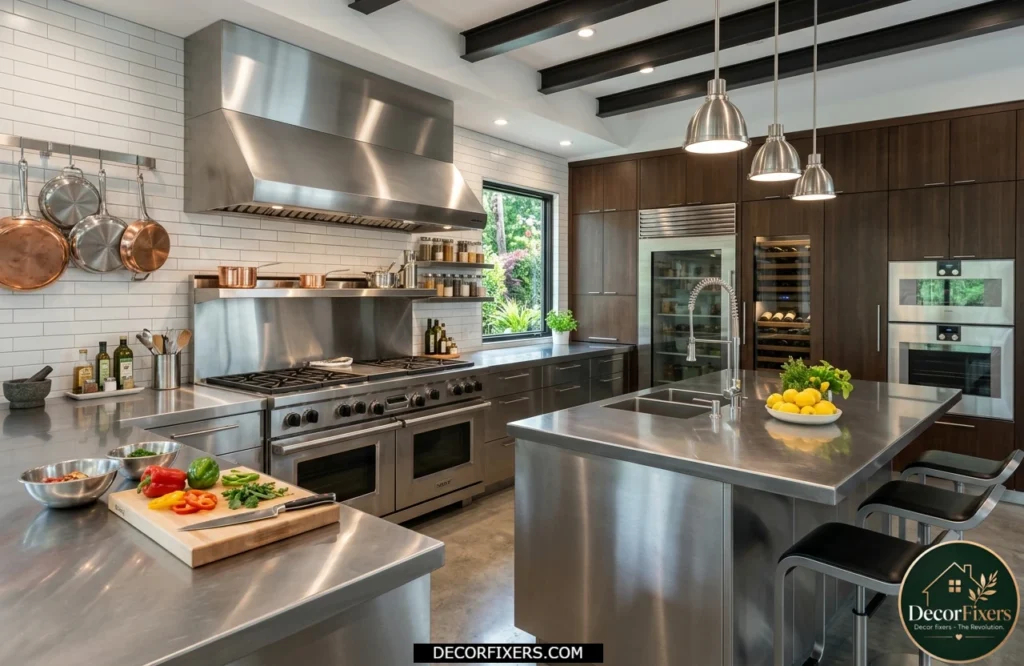
Every professional restaurant kitchen uses stainless steel for a reason. It’s non-porous, heat-resistant, hygienic, and can be wiped down with any sanitizing cleaner without damage. It never needs sealing.
In residential kitchens, stainless steel has moved from industrial novelty to genuine design statement. Brushed finishes hide fingerprints better than mirrored ones. Custom fabrication allows integration with sinks and backsplashes as one continuous piece.
Dents happen, especially with thin gauges. Choose 14-gauge or thicker for countertops. Installed cost: $75–$150 per square foot.
14. Lava Stone Countertops, Ultra-Premium and Practically Indestructible
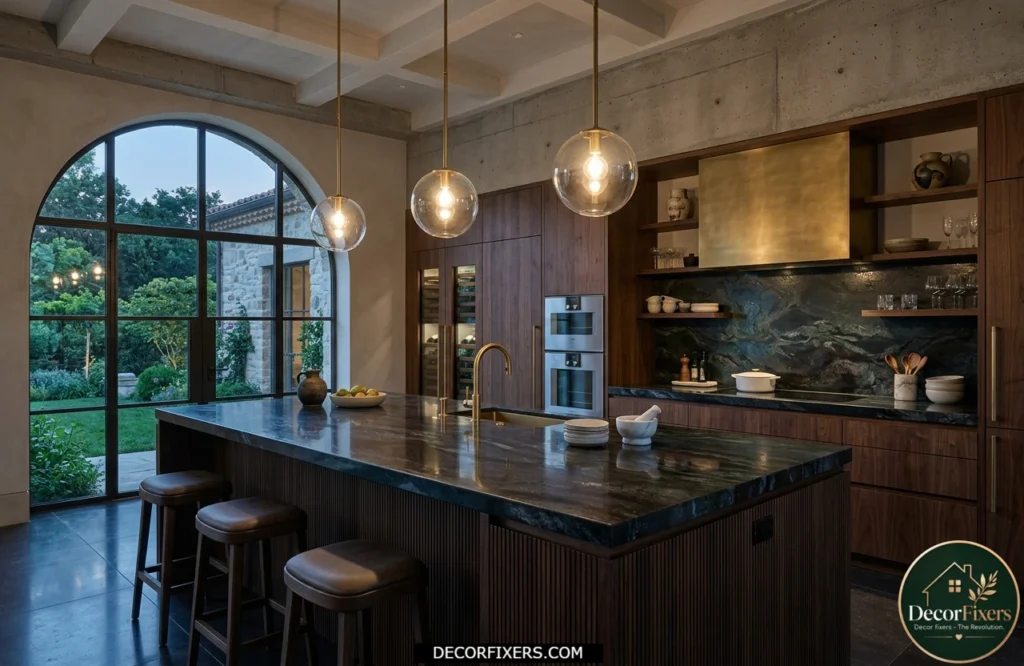
Lava stone, also called lave de Bourgogne, is a quarried volcanic rock, glazed with enamel in a kiln at very high temperatures. The result is a surface that is heat-proof, acid-proof, UV-stable, and available in over 30 colors.
It’s among the most distinctive countertop materials available. No two slabs have exactly the same texture. The glaze can be matte, satin, or glossy. It’s an absolute show-stopper in a high-end kitchen.
The cost reflects that exclusivity: $100–$250 per square foot installed. It’s a statement piece, not a starter-home upgrade. If budget isn’t the constraint, few materials compete with lava stone’s combination of durability and visual drama.
15. Terrazzo Countertops, The Artistic Revival
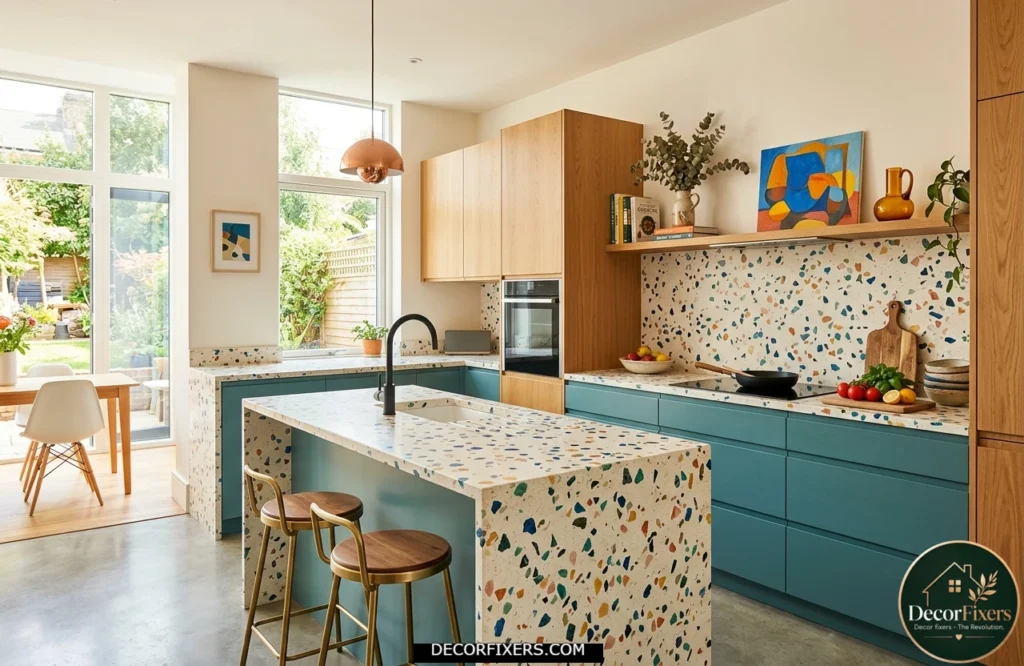
Terrazzo is making a serious comeback. Originally developed in 15th-century Venice as a flooring technique using marble and stone chips set in cement, it’s now being applied as kitchen countertop slabs, often with recycled glass, shells, or mirror fragments as aggregate.
The aesthetic is colorful, textured, and genuinely unique. No two terrazzo slabs are identical. Cost runs $50–$100 per square foot installed, making it surprisingly accessible for how distinctive it looks.
It’s cold and hard underfoot if used as flooring, but as a countertop, those aren’t issues. Sealing is required to protect the porous cement binder. Polishing keeps it looking sharp over time.
Quick Comparison: All 15 Countertop Materials at a Glance
Before diving deep into each material, here’s a side-by-side snapshot. Bookmark this; it answers 80% of the questions most people search for.
| Material | Cost/sq ft | Best For | Limitation | Maintenance |
| Quartz | $55–$120 | Busy families, low fuss | Heat sensitive (>300°F) | Wipe clean, no sealing |
| Marble | $75–$200+ | Bakers, luxury kitchens | Etches, stains easily | Seal monthly |
| Granite | $45–$100 | Budget natural stone | Sealing required yearly | Annual resealing |
| Quartzite | $60–$130 | Natural look + durability | Porous, needs sealing | Seal every 1–2 years |
| Dekton/Sintered | $90–$200 | Pro-level kitchens | Costly, heavy, expert install | Virtually none |
| Butcher Block | $40–$100 | Rustic, warm kitchens | Scratches, water damage | Oil regularly |
| Soapstone | $70–$130 | Heat/acid resistance | Scratches (oilable) | Oil to hide scratches |
| Concrete | $65–$135 | Custom, industrial look | Cracks, sealing needed | Seal & wax yearly |
| Porcelain Slab | $60–$120 | UV-resistant, outdoor | Brittle at edges | Wipe clean |
| Laminate | $20–$50 | Tight budgets | Not heat/scratch proof | Easy to clean |
| Recycled Glass | $50–$125 | Eco-conscious buyers | Varies by binder type | Wipe clean |
| Solid Surface | $45–$95 | Seamless, repairable | Scratches, not heatproof | Easy, sandable |
| Stainless Steel | $75–$150 | Chef, pro kitchens | Dents, fingerprints | Wipe clean |
| Lava Stone | $100–$250 | Ultra-premium, bold color | Very expensive | Wipe clean |
| Terrazzo | $50–$100 | Colorful, artistic kitchens | Cold, hard underfoot | Seal & polish |
How to Actually Choose the Right Countertop for Your Kitchen
Some experts argue that durability should always be the top priority. That’s valid for high-traffic family kitchens or rental properties. But if you’re designing a kitchen you’ll live in for decades, the emotional connection to a material matters too, and that’s not irrational.
Here’s a fast decision framework:
- You cook a lot and hate maintenance: Quartz or Dekton.
- You want natural stone on a realistic budget: Granite.
- You love the marble look but need something tougher: Quartzite or marble-look quartz.
- You bake and want a cool, naturally beautiful surface: Marble (accept the upkeep) or soapstone.
- You want maximum customization: Concrete or solid surface.
- Budget is tight: Laminate or butcher block.
- You want the most durable surface made: Dekton or lava stone.
- Environmental impact matters most: Recycled glass or quartzite (natural, no manufacturing).
How to Choose a Countertop in 4 Steps:
1. Define your cooking habits: daily heavy use vs. occasional cooking.
2. Set a firm installed budget, including fabrication and labor.
3. Order samples and live with them in your kitchen for 48 hours under your actual lighting.
4. Confirm your installer’s experience with your chosen material before signing anything.
Conclusion:
After going through all 15 options, here’s what I’d tell someone standing in that showroom where I once froze: stop looking for the best countertop, and start looking for your best countertop.
Quartz wins on paper for most people: low maintenance, durable, beautiful. But ‘most people’ isn’t a kitchen. Yours is. If you entertain constantly and want something that makes guests stop mid-conversation and ask what it is, marble or lava stone earns that reaction in ways quartz doesn’t.
If you’ve got kids and a chaotic kitchen and you’re installing something that needs to survive the next 15 years without a second thought, quartzite or Dekton will probably outlast the cabinets themselves.
The stat that I keep coming back to: 71% of homebuyers say an updated kitchen is a critical factor in their offer. Your countertop isn’t just for you. It’s an investment in your property’s future value, and one that genuinely returns.
I’ve seen conflicting data on which material holds its resale value longest; some reports favor quartz, others show granite performing strongly in entry-level markets. My read is that the material matters less than the quality of installation and how well you’ve maintained it over time. Order samples. Live with them. Touch them in different lighting. Then decide.
FAQs:
Q: What’s the best kitchen countertop for a busy family?
A: Quartz is the top pick for busy households. It requires no sealing, resists stains from food and drinks, and comes in hundreds of styles. Brands like Caesarstone and Cambria offer strong warranties.
Q: How do I know if I have quartzite or quartz?
A: Quartzite is a natural stone and will feel cooler to the touch with slight surface variation under light. Quartz is engineered and perfectly uniform. Check the product tag; quartzite is always labeled as a natural stone.
Q: Should I choose marble or quartz for a white kitchen?
A: Quartz in a marble-inspired pattern is more practical; it won’t etch or stain. Choose real marble if you want genuine natural veining and are willing to commit to monthly sealing and careful spill management.
Q: Why does Dekton cost so much more than quartz?
A: Dekton’s sintering process requires extreme heat and pressure, resulting in a near-zero-porosity surface with superior heat and UV resistance. The fabrication equipment, material density, and installation expertise all drive the higher price.
Q: When should I seal my natural stone countertop?
A: Granite needs sealing once a year. Quartzite every one to two years. Marble monthly. Do the water test: if a drop soaks in within a few minutes, it’s time to reseal.

Creator of DecorFixers, sharing practical home and interior ideas focused on real-life usability, simple design improvements, and budget-friendly solutions.
1 thought on “15 Best Kitchen Countertop Ideas: Marble, Quartz & Stone Compared”